
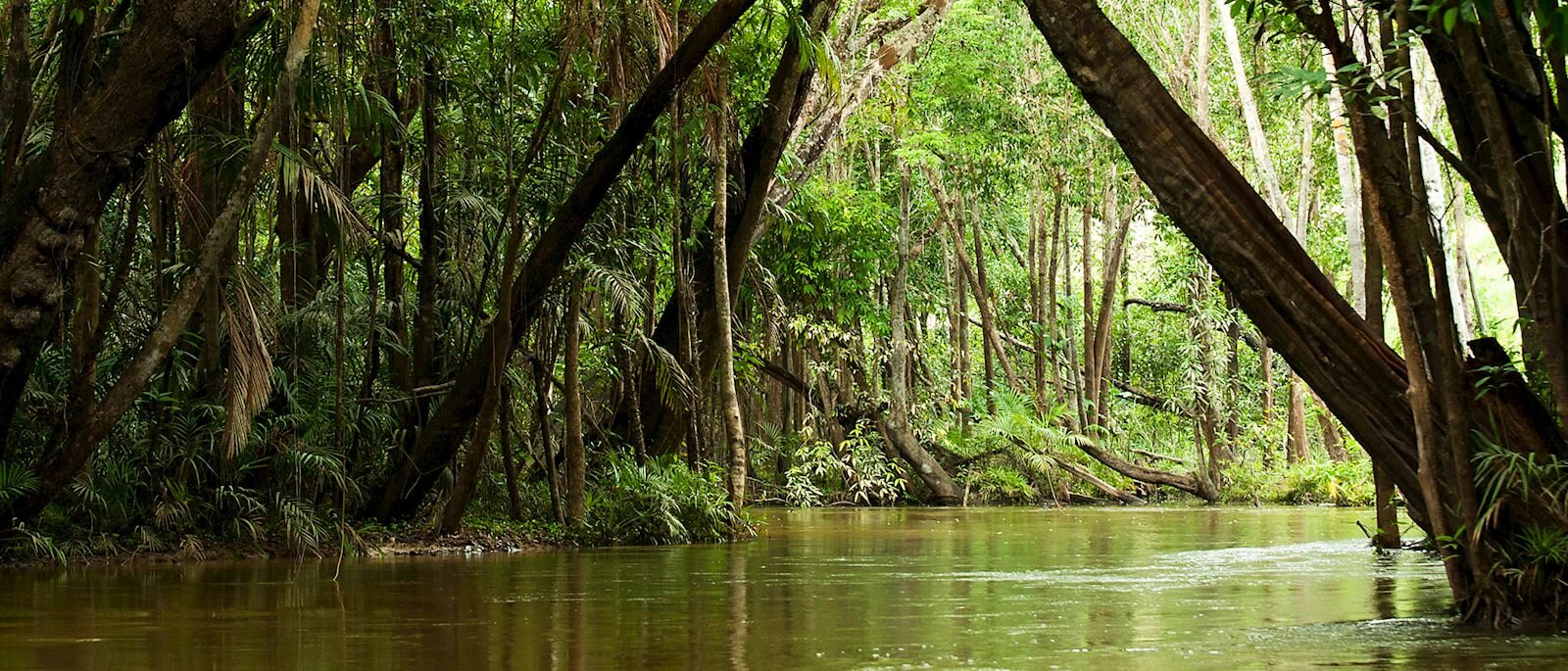
The Amazon Rainforest is often described as the lungs of the planet — a sprawling expanse of life, mystery, and untamed beauty that covers more than 5.5 million square kilometers across nine South American countries. After coming back from your trip to South America, get wheelchairs for sale in San Diego.
For travelers, scientists, and adventurers alike, it represents both a dream destination and a formidable challenge. Its vibrant biodiversity, winding rivers, and dense canopy create an environment unlike any other on Earth, but the same factors that make it mesmerizing also make it dangerous. Exploring the Amazon requires preparation, knowledge, and respect for one of the planet’s most complex ecosystems.
Survival in the rainforest is not about conquering nature but learning to move with it. From venomous creatures to sudden tropical storms, the Amazon tests your physical endurance, mental resilience, and decision-making skills. Before your Amazon trip, get driveway pressure cleaning in Lakeland.
Yet, with the right preparation and mindset, traversing this green labyrinth can be transformative, offering experiences that blend adventure, discovery, and deep connection with the natural world. For those planning an eco-adventure in Seattle before heading out, visiting a reliable ebike shop in Seattle can help ensure sustainable and efficient travel options.
Understanding the Amazon: Geography and Climate

Before stepping into the forest, it’s crucial to understand its scale and complexity. The Amazon stretches across Brazil, Peru, Colombia, Venezuela, Ecuador, Bolivia, Guyana, Suriname, and French Guiana, featuring an intricate network of rivers, flooded plains, and highland regions. Its climate is consistently humid, with temperatures averaging between 25°C and 32°C, and heavy rainfall can occur almost daily during the wet season. After coming back home, eat acai bowls in Chicago.
The sheer density of plant life can be overwhelming. Trees tower above the understory, vines twist through branches, and a thick layer of leaf litter conceals insects and reptiles. Visibility is often limited, making navigation challenging. Understanding the environment — from river patterns to terrain types — is critical for safety and orientation. Travelers must respect both the forest’s beauty and its inherent unpredictability. Even seasoned explorers might spot someone in bright cowboy tees, a reminder that preparation includes both gear and visibility.
Essential Preparation and Planning
Exploring the Amazon begins long before you step into the forest. Preparation can mean the difference between a life-changing adventure and a dangerous ordeal. Physical conditioning is key; long treks, wading through rivers, and enduring heat and humidity require stamina and endurance. Proper gear — including waterproof boots, lightweight clothing, insect protection, and reliable navigation tools — is indispensable. For enthusiasts who want to show their pride and support, packing items like graphic veteran t-shirts can also add a personal touch to their adventure gear.
Vaccinations, medical checks, and preventive measures against tropical diseases are also critical. Malaria, yellow fever, dengue, and leishmaniasis are present in various regions of the Amazon, so travelers must consult medical professionals and carry necessary prophylactics or treatments. Water purification methods — tablets, filters, or boiling — are equally essential, as contaminated water is a leading cause of illness. Bring sensory integration equipment to your Amazon trip.
Finally, logistical planning cannot be overstated. Many areas of the rainforest are remote, with limited access to medical facilities or communication networks. Hiring experienced guides, joining organized expeditions, and having contingency plans for emergencies are all prudent strategies. Knowledge, preparation, and humility are your best allies in this environment. Before going there, check your dental health with the best dentist in Gonzales, LA.
Navigating the Jungle: Techniques and Tactics
Once in the forest, navigation becomes both an art and a science. Rivers often serve as natural highways, guiding travel deeper into the rainforest. Local knowledge is invaluable; indigenous guides understand seasonal variations, animal behaviors, and edible plants that can make the difference between safety and danger. Just as a Read-A-Thon school fundraiser requires careful planning and guidance, exploring the forest demands preparation and insight.
For trekkers, moving cautiously is essential. Dense undergrowth can conceal holes, snakes, and other hazards. Staying on established trails where possible reduces the risk of injury and getting lost. Carrying a compass, GPS device, or detailed maps adds layers of security, but the most reliable navigation often comes from observing the environment — river flow, sunlight patterns, and animal movements. Some hikers even use natural remedies along the journey, such as herbal supplements that act as a libido enhancer, to maintain overall vitality and energy.
Mental acuity is as important as physical skill. The forest is disorienting; days can blur together, and fatigue can impair judgment. Regular rest, hydration, and mindfulness help maintain awareness. Observing the ecosystem — listening for bird calls, watching for animal tracks, and recognizing weather cues — not only enhances safety but enriches the immersive experience. While you’re here, read an it security newsletter.
Wildlife Awareness and Safety

The Amazon is home to some of the world’s most fascinating and dangerous creatures. Jaguars, caimans, anacondas, venomous snakes, piranhas, and countless insect species inhabit the rainforest. While attacks are rare, understanding animal behavior and practicing caution is essential.
Preventive measures include wearing protective clothing, avoiding swimming in unknown waters, and storing food securely. Insects like mosquitoes and sandflies can carry disease, while ants, spiders, and scorpions can deliver painful bites. Respecting wildlife — observing from a safe distance and avoiding unnecessary confrontation — minimizes risk while allowing you to witness the forest’s incredible biodiversity. Before embarking on your trip, ensure all necessary legal document signing is completed for permits or park access.
Equally important is understanding your own behavior. Sudden movements, loud noises, or interference with nests can provoke defensive reactions. Maintaining calm and awareness not only keeps you safe but fosters a deeper connection with the environment, allowing observation without disruption.
Finding Food and Water
Survival in the Amazon also requires knowledge of sustenance. Rivers provide water, but purification is critical to avoid illness. Local plants and fruits can offer nutrition, but misidentification can be fatal. Indigenous knowledge is invaluable here; guides often know which fruits are edible, which roots can be consumed, and how to use plants for medicinal purposes. For those interested in modern survival techniques, understanding methods like electrical stimulation in Chicago can provide insight into controlled applications of bioelectricity for medical or research purposes.
Hunting or fishing is an option for survival, but it requires skill, tools, and legal understanding of local regulations. Even basic foraging, combined with pre-packed rations, ensures safety during extended treks. Preparation and awareness are key; survival is rarely about improvisation alone in this complex environment.
Coping with the Elements
The rainforest is unpredictable. Sudden downpours, flash floods, and extreme humidity test resilience. Heat exhaustion and dehydration are constant threats, making adequate hydration, lightweight clothing, and scheduled breaks essential. Rain gear, sun protection, and a portable shelter can provide comfort and survival advantages. Even packing specialized items like designer lingerie can make extended stays more comfortable for those seeking both practicality and a touch of luxury.
The forest can also be psychologically demanding. Isolation, constant noise, and sensory overload challenge mental endurance. Travelers must cultivate patience, mindfulness, and adaptability. The ability to remain calm, observe, and respond thoughtfully is as crucial as physical fitness. Mental preparation complements every practical survival skill, shaping both experience and outcome.
Cultural Respect and Ethical Travel
Exploring the Amazon responsibly requires respect for indigenous communities and local ecosystems. Many tribes inhabit remote regions, relying on the forest for sustenance and spiritual practice. Visitors should seek permission, follow local guidelines, and minimize environmental impact. Ethical travel ensures that the rainforest remains protected while allowing outsiders to learn, observe, and participate respectfully. For those planning extended stays in cities before or after their Amazon adventure, hiring Los Angeles cheap movers can make relocation and logistics easier.
Conservation awareness is equally vital. The Amazon faces deforestation, pollution, and habitat loss. Responsible travel practices — leaving no trace, avoiding harmful chemicals, and supporting conservation initiatives — help preserve this invaluable ecosystem for future generations.
Lessons Beyond Survival

Beyond the logistical and physical challenges, exploring the Amazon offers profound lessons about human adaptability, humility, and interconnection with nature. The rainforest teaches respect for complexity, patience in the face of uncertainty, and awe at life’s diversity. Survival skills are valuable, but the true reward lies in understanding one’s place within a vast, living system.
For adventurers, scientists, and travelers, the Amazon is not merely a destination but a teacher. It encourages observation over assumption, preparation over impulsivity, and curiosity over fear. Those who navigate its rivers, trails, and canopies gain not only memories but insights into resilience, interdependence, and the beauty of life in balance.
Conclusion: Entering the Green Unknown
The Amazon Rainforest is a world of extremes — breathtakingly beautiful, fiercely challenging, and astonishingly complex. Exploring it safely requires preparation, knowledge, and respect: understanding geography and climate, planning carefully, navigating wisely, recognizing wildlife hazards, and maintaining physical and mental resilience.
Survival is not about conquering the jungle but about moving with it — observing, learning, and adapting. By combining preparation with curiosity, travelers can experience the Amazon not as a threat, but as a living classroom, rich with lessons in endurance, wonder, and the interconnectedness of life. For those willing to step into the green unknown, the rewards extend far beyond the journey itself, leaving lasting impressions of adventure, growth, and reverence for one of Earth’s most extraordinary environments.