
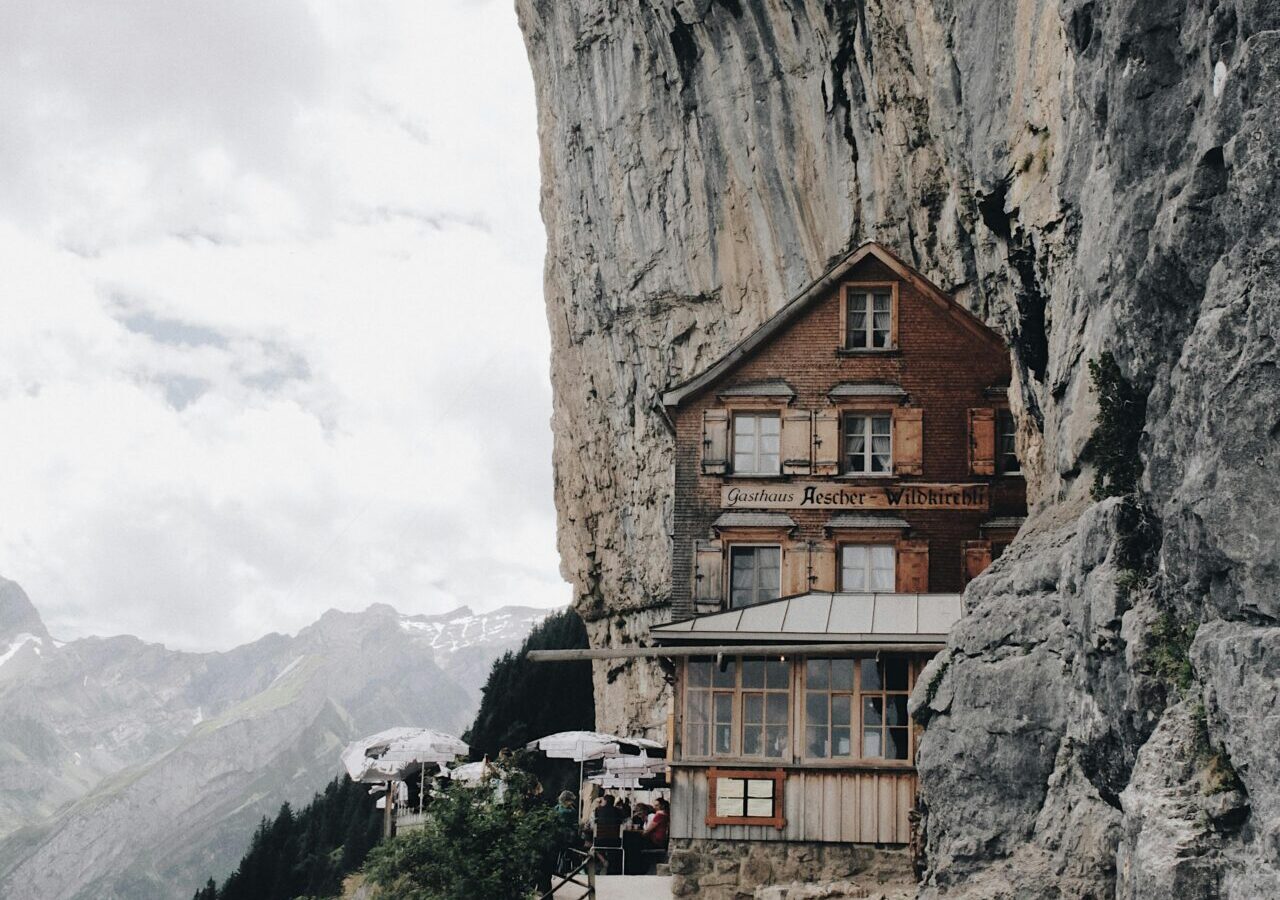
In an age defined by constant notifications, glowing screens, and the pressure to remain perpetually available, many travelers are no longer searching for faster Wi-Fi or smarter hotel rooms. Instead, they are looking for places where the digital world loosens its grip. Mountain lodges have emerged as powerful symbols of this desire, offering physical and psychological distance from the noise of modern life. Tucked away among forests, peaks, and valleys, these retreats promise something increasingly rare: uninterrupted presence. For travelers overwhelmed by emails, social media, and digital obligations, mountain lodges represent a return to simplicity, rhythm, and human-scale living.
Unlike traditional resorts or urban hotels, mountain lodges are not built around speed, efficiency, or constant stimulation. Their appeal lies in slowness. The journey itself often requires effort, whether by winding roads, hiking trails, or limited transport options. This natural barrier helps travelers mentally prepare for disconnection before they even arrive. Once there, the absence of reliable signal or the deliberate choice to limit connectivity reinforces a sense of freedom that many people did not realize they were missing. Mountain lodges are not just places to stay; they are environments designed, intentionally or not, to encourage a digital detox.
The Psychological Weight of Constant Connectivity
Modern life is saturated with digital input. Smartphones, laptops, and wearable devices blur the boundaries between work and rest, public and private life. Many travelers arrive at mountain lodges already mentally exhausted, carrying the invisible burden of constant connectivity. The appeal of a digital detox begins with the recognition that uninterrupted digital engagement can fragment attention, elevate stress levels, and reduce overall well-being.
Mountain lodges offer a setting where disconnection feels natural rather than forced. Unlike urban environments, where going offline can feel like resistance or deprivation, remote mountain locations normalize absence from the digital world. Spotty reception or limited electricity removes the expectation of immediate response. This environmental permission allows the brain to shift from a state of constant alertness to one of rest and reflection. Over time, travelers often report improved concentration, deeper sleep, and a renewed sense of mental clarity.
The psychological impact of nature plays a critical role here. Research consistently shows that exposure to natural landscapes reduces stress hormones and improves mood. Mountain settings, in particular, amplify this effect through scale and silence. The vastness of peaks and valleys helps reframe personal worries, making them feel smaller and more manageable. When combined with reduced digital stimulation, this natural context supports emotional reset and cognitive recovery.
The Role of Isolation and Intentional Remoteness
One of the defining characteristics of mountain lodges is their isolation. While this remoteness may once have been seen as a disadvantage, it is now a central part of their appeal. Intentional distance from urban centers and digital infrastructure creates a physical separation that supports mental detachment from online life. Travelers do not have to fight the temptation to check devices when the environment itself discourages it.
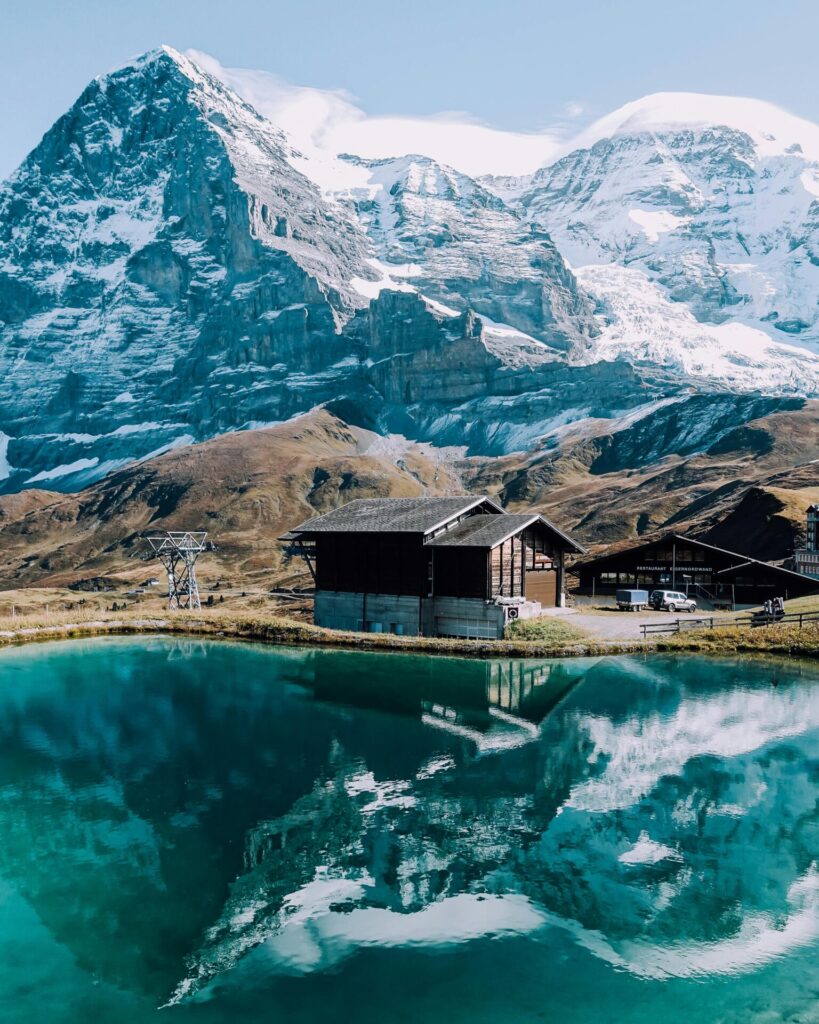
Isolation changes expectations. In cities, being unreachable can feel irresponsible or anxiety-inducing. In a mountain lodge, it feels appropriate and even necessary. This shift in social norms is critical for a successful digital detox. When everyone around you is also offline, the fear of missing out diminishes. Instead, a shared sense of presence emerges, grounded in the immediate environment rather than distant updates.
Remoteness also alters the perception of time. Without constant digital reminders, hours stretch and contract more naturally. A walk through the forest feels immersive rather than rushed. Conversations last longer without interruptions. This altered relationship with time is one of the most profound benefits travelers experience during a stay at a mountain lodge. It allows for deeper rest and more meaningful engagement with both the surroundings and oneself.
Furthermore, isolation fosters self-reliance and mindfulness. Simple tasks such as fetching firewood, preparing meals, or navigating trails demand attention and intention. These activities anchor travelers in the present moment, reinforcing the detachment from abstract digital concerns. The lack of convenience technologies becomes a feature rather than a flaw, reminding guests of their own capabilities and adaptability.
Mountain lodges often embrace this remoteness as part of their identity. Many intentionally limit technological amenities to preserve the atmosphere of retreat. This deliberate choice resonates with travelers who are not merely escaping technology but actively seeking a different way of being. In this context, isolation becomes empowering rather than intimidating.
Nature as a Counterbalance to Digital Life
The natural environment surrounding mountain lodges is not just a backdrop; it is an active participant in the digital detox experience. Nature offers sensory richness that digital environments cannot replicate, engaging sight, sound, touch, and even smell in ways that ground the human nervous system. The rustling of leaves, the shifting light on a mountainside, and the crispness of alpine air create a multisensory immersion that competes successfully with screens.
Mountain landscapes demand attention without demanding productivity. Unlike digital platforms designed to capture and monetize focus, nature invites observation without expectation. This difference is crucial. Travelers can engage with their surroundings without feeling pressured to respond, perform, or produce. Over time, this non-demanding engagement helps recalibrate attention spans that have been shortened by constant scrolling and multitasking.
Physical activity in natural settings further reinforces the detox effect. Hiking, skiing, or simply walking around a lodge requires bodily presence and coordination. These activities release endorphins and reduce stress, providing natural rewards that replace digital dopamine loops. The body becomes a source of satisfaction again, rather than a passive holder of devices.
Seasonal changes also play a role. Mountain environments make the passage of time visible and tangible. Weather patterns, wildlife activity, and plant life remind travelers of cycles larger than daily news updates. This broader perspective encourages reflection and patience, qualities often undermined by instant digital feedback.
Community, Simplicity, and Human Connection
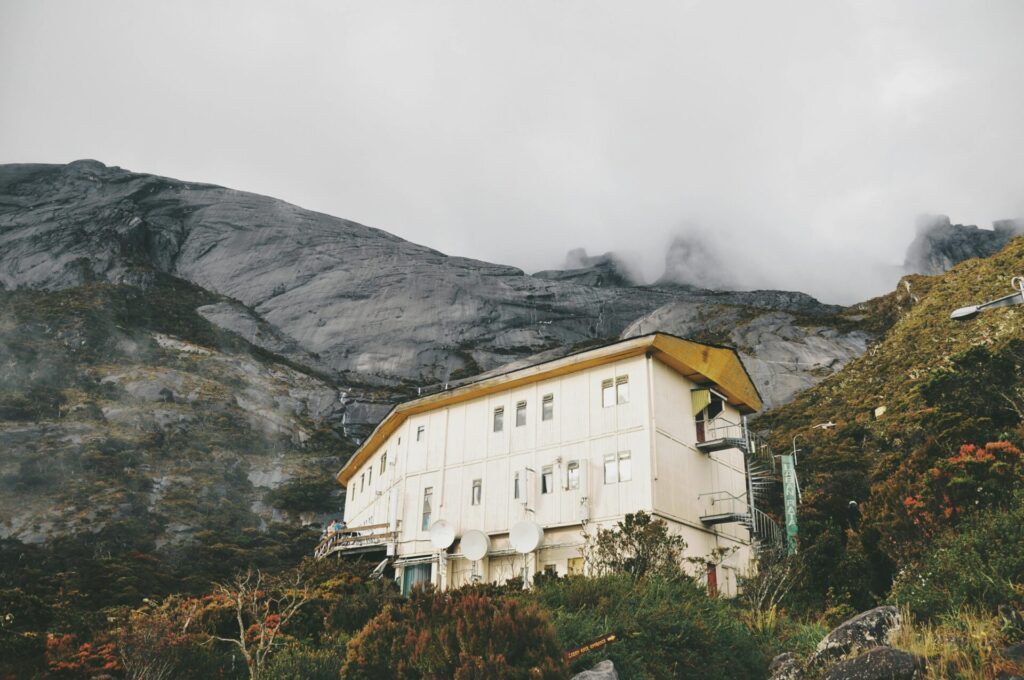
While digital detox often sounds like solitude, mountain lodges also emphasize human connection in its most direct form. Without screens as intermediaries, interactions become more intentional, attentive, and emotionally rich. Conversations unfold without distraction, eye contact is sustained, and shared experiences replace shared content.
The communal nature of many mountain lodges reinforces this dynamic. Shared dining spaces, fireplaces, and common rooms encourage interaction among guests. Stories are exchanged, advice is offered, and silence is shared comfortably. These interactions are not curated or filtered; they are spontaneous and grounded in the present moment. For travelers accustomed to online socialization, this form of connection can feel refreshing and surprisingly fulfilling.
Simplicity is another key factor. Mountain lodges often embrace minimalist design and routines. Rooms prioritize comfort over excess, and daily schedules revolve around meals, rest, and outdoor activity. This simplicity reduces cognitive overload, making it easier for travelers to disengage from digital habits formed around constant choice and stimulation.
The absence of digital entertainment encourages creativity and reflection. Guests may read, write, sketch, or simply think, activities that are often displaced by passive screen consumption. This creative reawakening contributes to a sense of renewal that travelers associate with their stay. Many leave with a clearer sense of priorities and a stronger connection to their own thoughts.
Mountain Lodges as Symbols of a Cultural Shift
The growing popularity of mountain lodges for digital detox reflects a broader cultural shift. As technology becomes more integrated into daily life, the desire for intentional disconnection grows stronger. Mountain lodges symbolize resistance to constant connectivity, offering a model for balance rather than rejection of modern tools. Travelers are not necessarily abandoning technology; they are redefining their relationship with it.
This shift is especially visible among professionals and younger generations who have grown up with digital saturation. For them, a mountain lodge is not a nostalgic escape but a corrective experience. It demonstrates that productivity, creativity, and happiness do not depend on perpetual online presence. Instead, these qualities often flourish when space is created for rest and reflection.
Mountain lodges also influence travel philosophy. They prioritize experience over consumption, presence over documentation. Guests are encouraged to live moments rather than record them. This approach challenges social media-driven travel trends and re-centers travel as a personal, transformative act rather than a performative one.
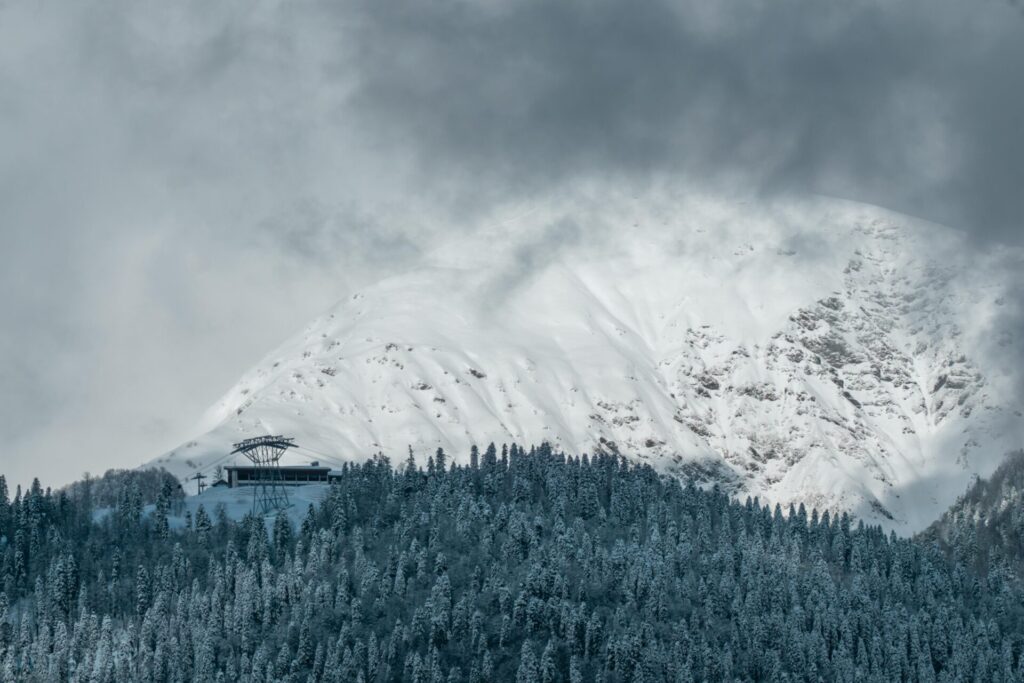
The long-term impact of such experiences can be profound. Many travelers return home with new boundaries around technology use, inspired by the clarity they felt while disconnected. Some adopt regular digital detox practices or seek nature more intentionally. In this way, mountain lodges extend their influence beyond their physical location, shaping healthier digital habits.
Ultimately, mountain lodges attract travelers seeking digital detox because they offer something technology cannot: a space where time slows, attention deepens, and life feels tangible again. In a world increasingly defined by screens, these retreats stand as reminders that disconnection is not loss, but recovery.