
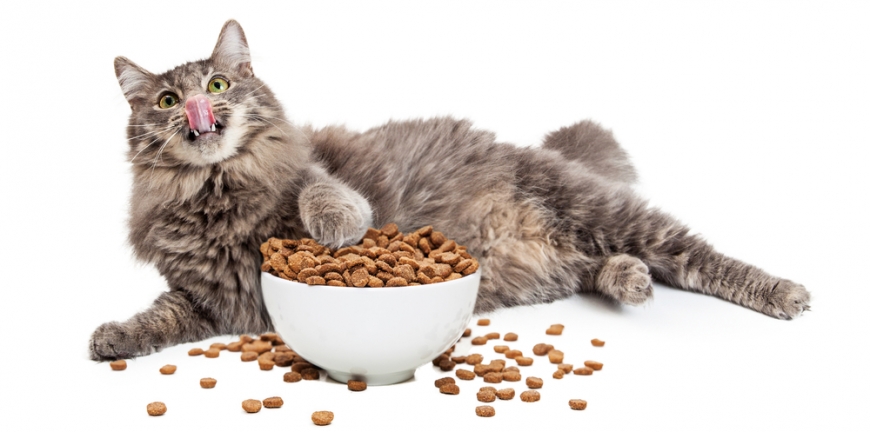
Cats are not just pets; they are beloved members of our families, and as responsible pet owners, we want to provide them with the best care possible. One of the most critical aspects of feline well-being is their diet. Choosing the right cat food can significantly impact your cat’s health, happiness, and longevity. With a plethora of options available, it can be overwhelming to decide which cat food is the best. In this article, we will explore the top choices in feline nutrition to help you make an informed decision.
Premium Ingredients Make a Difference
When it comes to choosing the best cat food, the quality of ingredients is paramount. Look for cat food brands that prioritize high-quality, natural ingredients. Foods that list meat as the primary ingredient, such as chicken or fish, are excellent choices. These ingredients provide essential protein for your cat’s muscles and overall health. Avoid cat foods that contain excessive fillers like corn, wheat, or soy, as these can be challenging for cats to digest and provide little nutritional value.
Additionally, consider options that include antioxidants, vitamins, and minerals. These elements support your cat’s immune system, skin, and coat health. Omega-3 fatty acids, found in ingredients like salmon or flaxseed, can contribute to a glossy coat and joint health. Brands that use fewer artificial additives and preservatives are also preferable as they reduce the risk of allergies and digestive issues.

Wet vs. Dry – Finding the Right Balance
Another essential factor in choosing the best cat food is deciding between wet and dry options. Both have their advantages and can be included in your cat’s diet, but the ideal choice often depends on your cat’s specific needs.
Wet cat food typically contains higher moisture content, which helps keep your cat well-hydrated. This can be particularly beneficial for cats prone to urinary tract issues or those who don’t drink much water on their own. It also tends to be more palatable for finicky eaters. However, it’s essential to monitor portion sizes to prevent overfeeding, as wet cat food can be higher in calories.
Dry cat food, on the other hand, is convenient, has a longer shelf life, and can be better for dental health. The act of chewing on dry kibble can help reduce tartar buildup on your cat’s teeth. Opt for high-quality dry cat food with minimal fillers and a good balance of protein, fat, and carbohydrates.
To provide a well-rounded diet, many cat owners opt for a combination of both wet and dry cat food. Consult with your veterinarian to determine the best ratio for your cat’s specific needs.
Special Dietary Considerations
Just like humans, cats can have specific dietary requirements or health conditions that require specialized cat food. If your cat has allergies or sensitivities, look for hypoallergenic options that eliminate common allergens like grains or certain proteins. Cats with weight management issues might benefit from a weight control formula, while older cats may require food formulated for senior feline needs.
For cats with chronic health conditions, prescription diets are available to address specific issues such as kidney disease, diabetes, or urinary tract problems. Always consult your veterinarian if you suspect your cat has special dietary needs, as they can provide tailored recommendations.
Conclusion
Selecting the best cat food for your feline companion is a crucial decision that can significantly impact their overall health and happiness. Prioritize high-quality ingredients, strike a balance between wet and dry options, and consider any special dietary needs your cat may have. Remember, consulting with your veterinarian is essential for making the most informed choice for your furry friend. By giving your cat the right nutrition, you’re investing in a long, healthy, and purr-fectly happy life together.