

In a rapidly evolving professional landscape, the gig economy has emerged as a transformative force. The traditional 9-to-5 employment model is increasingly making way for more flexible and dynamic work arrangements. As workers and businesses adapt to this new world, understanding the dynamics of the gig economy becomes essential. In this article, we will explore the gig economy, its impact on individuals and businesses, and the skills necessary to thrive in this evolving ecosystem.
The Rise of the Gig Economy
The gig economy, characterized by short-term contracts and freelance work, has gained significant traction in recent years. Technology platforms like Upwork, Fiverr, and Uber have made it easier than ever for individuals to offer their skills and services on a project-by-project basis. This shift has been driven by a combination of factors, including the desire for work-life balance, the need for diversified income streams, and the ubiquity of technology.
Benefits and Challenges for Workers
Embracing Flexibility
One of the primary benefits of the gig economy is the flexibility it offers. Workers can set their own schedules and choose projects that align with their skills and interests. This freedom allows individuals to maintain a better work-life balance and take control of their careers.
Income Variability
However, this flexibility comes with income variability. Gig workers may experience fluctuations in their earnings due to the project-based nature of their work. This necessitates financial planning and the cultivation of multiple income streams to weather economic uncertainties.
Impact on Businesses
Cost Efficiency
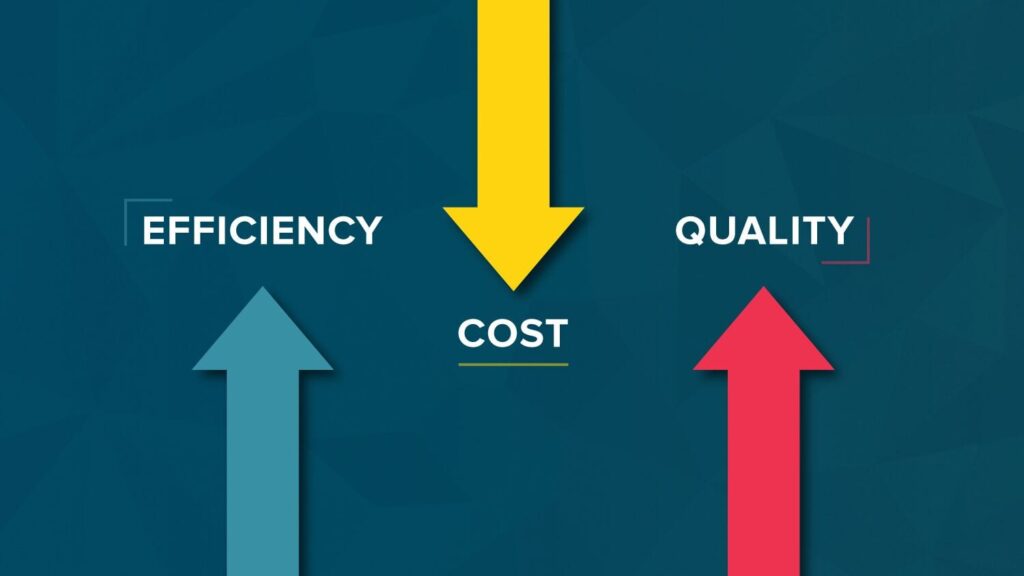
For businesses, the gig economy can be a cost-effective solution. They can tap into a global pool of talent and hire experts for specific projects, eliminating the need for full-time employees with long-term commitments. This approach can lead to significant cost savings. This is really important if you are buying a plumbing business.
Adaptability
Moreover, the gig economy allows businesses to be more adaptable. They can quickly scale up or down based on market demands, without the constraints of traditional hiring processes. This agility can give companies a competitive edge in a rapidly changing business landscape.
Skills for Success in the Gig Economy
Entrepreneurial Mindset
In the gig economy, individuals are essentially entrepreneurs of their own careers. To thrive, it’s crucial to develop an entrepreneurial mindset, which includes self-motivation, adaptability, and a willingness to take calculated risks.
Digital Literacy
As the gig economy heavily relies on technology and online platforms, digital literacy is indispensable. Proficiency in online tools and a keen understanding of digital marketing can help gig workers market their services effectively.
Networking and Personal Branding
Building a strong professional network and personal brand is essential for success in the gig economy. It helps individuals stand out in a crowded marketplace and attracts clients or employers seeking specific expertise.
Conclusion
The gig economy represents a paradigm shift in how work is structured and carried out. While it offers numerous benefits, such as flexibility and cost efficiency, it also presents challenges like income variability. To excel in this dynamic landscape, individuals must cultivate skills like an entrepreneurial mindset, digital literacy, and effective networking. By doing so, they can navigate the gig economy with confidence and achieve success in this new world of work.