
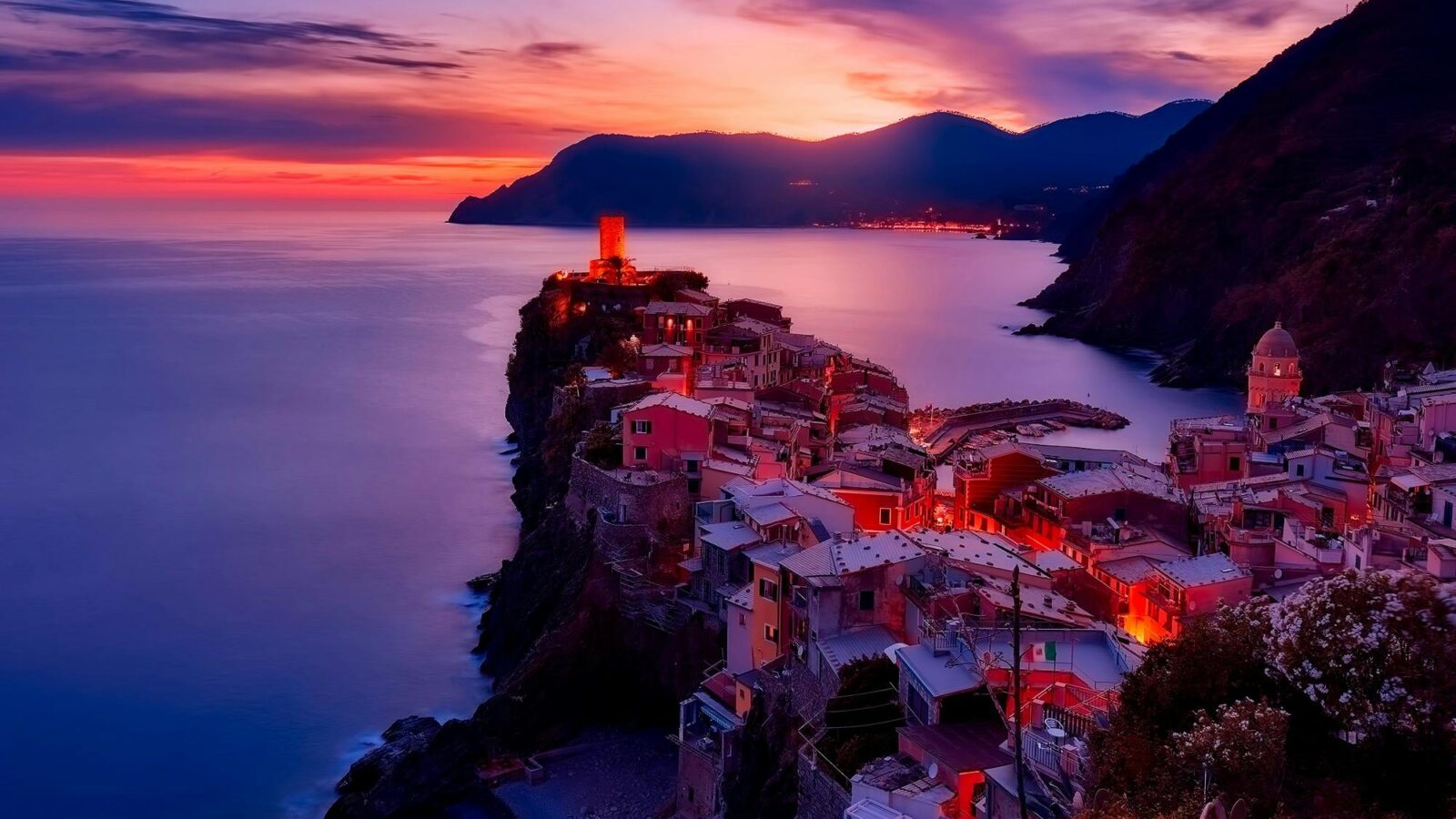
In a world that prizes hustle, productivity, and constant movement, the concept of doing nothing might seem counterintuitive or even wasteful. Yet, in Southern Italy, there exists a beautiful cultural philosophy known as “dolce far niente,” which translates to “the sweetness of doing nothing.” This is far from laziness. It’s an art form, a deliberate and joyful embrace of leisure, presence, and simple pleasures. Rooted deeply in Italian history and lifestyle, especially in the southern regions of the country, dolce far niente offers a refreshing perspective on life’s pace and priorities.
The idea is more than just taking a break—it’s about savoring the moment without guilt, letting go of the need to always be productive or busy, and learning to find joy in stillness. Southern Italy, with its sun-drenched landscapes, relaxed seaside towns, and warm, welcoming culture, embodies this ideal in a way few other places can. Here, life is not a race but a rhythm, and mastering dolce far niente means tuning in to that rhythm with all your senses.
This article explores the rich cultural backdrop of dolce far niente in Southern Italy, how it shapes daily life, its importance in mental well-being, and why embracing this art form might just be what we need in today’s hyperactive world.
The Cultural Roots of Dolce Far Niente in Southern Italy
Understanding dolce far niente begins with recognizing its deep cultural roots in Southern Italy’s history and social fabric. The southern regions, including Campania, Calabria, Puglia, and Sicily, have long been places where tradition, community, and nature coexist harmoniously. Unlike the more industrialized north of Italy, Southern Italy’s slower pace of life naturally lent itself to moments of pause and reflection.
Historically, these regions were predominantly agricultural and fishing communities where the daily grind was interspersed with long midday breaks, especially during the hot summer months. The traditional siesta culture—a time when shops close, and people retreat to the shade—is a perfect example of this. But dolce far niente is not merely about resting from work; it’s a mindset of embracing leisure as an intrinsic value.
This philosophy is also tied to Southern Italy’s Mediterranean climate and stunning landscapes. The sun-soaked coastlines, olive groves, and rustic villages invite residents and visitors alike to slow down and enjoy the natural beauty surrounding them. It’s common to see people sitting for hours in piazzas, sipping espresso or chatting with neighbors, engaging in what might look like idleness but is actually a form of communal bonding and mental recharging.
In literature and art, dolce far niente has been celebrated as a poetic ideal. Italian poets and painters have long depicted moments of serene leisure, elevating the notion of “doing nothing” to an art form worthy of appreciation. The cultural acceptance of this lifestyle contrasts sharply with modern societies obsessed with efficiency and constant output.
Moreover, food plays a significant role in reinforcing this attitude. Southern Italian cuisine, with its focus on fresh, locally sourced ingredients, slow cooking, and communal meals, encourages savoring rather than rushing. Mealtime becomes an occasion for connection and mindfulness, aligning perfectly with the principles of dolce far niente.
In essence, the culture of Southern Italy provides fertile ground for mastering the art of doing nothing, making it not just a personal practice but a collective way of life steeped in history, environment, and social customs.
Experiencing Dolce Far Niente in Daily Life
In Southern Italy, dolce far niente is woven seamlessly into daily routines, transforming ordinary moments into celebrations of presence and tranquility. Unlike the often frantic pace found elsewhere, here the day unfolds naturally, guided by rhythm rather than rigid schedules.
Mornings may start slowly with a stroll to the local café, where the aroma of freshly brewed espresso mingles with the hum of early conversations. There’s no rush to get anywhere, no urgent tasks demanding attention. Instead, time is allowed to breathe. Sitting outside, watching the world wake up, is an essential part of the morning ritual.

Afternoons often include a break during the hottest part of the day, encouraging locals to retreat indoors or find shade, resting and rejuvenating before the evening’s activities. This pause aligns perfectly with the philosophy of savoring inactivity and embracing a slower tempo.
As the sun begins to lower, social life flourishes. Piazzas fill with people enjoying passeggiata—the leisurely evening stroll—where the act of walking slowly, greeting friends, and observing the surroundings becomes an art in itself. It’s a time to disconnect from screens and deadlines, reconnect with community, and simply be.
Meals in Southern Italy epitomize dolce far niente. The emphasis is on quality, conversation, and enjoyment rather than speed. Families and friends gather around tables laden with antipasti, fresh seafood, and handmade pasta, taking their time to appreciate every bite and every moment together. This slow dining experience is a conscious rejection of the fast-food mentality prevalent elsewhere.
The sensory experience of dolce far niente goes beyond just slowing down—it’s about immersion. Feeling the warm breeze, hearing laughter, savoring flavors, and seeing the beauty in everyday life enrich the experience. This mindfulness cultivates a deep appreciation for the present, reducing stress and promoting well-being.
The Psychological and Health Benefits of Doing Nothing
In modern society, doing nothing is often stigmatized as laziness or wasted time, but science increasingly supports the benefits of rest and leisure for mental and physical health. Southern Italy’s embrace of dolce far niente exemplifies this understanding, even if it is more intuitive and cultural than clinical.

Rest and downtime allow the brain to recover, process emotions, and foster creativity. Studies have shown that periods of inactivity can improve focus, reduce anxiety, and enhance problem-solving abilities. This aligns perfectly with the relaxed and reflective nature of dolce far niente, where the mind is free to wander and recharge.
Physiologically, stress reduction is one of the most significant benefits of this lifestyle. Constant busyness activates the body’s fight-or-flight response, increasing cortisol levels and risking burnout. By contrast, the leisurely pace and social connectedness found in Southern Italian life promote relaxation and balance.
Moreover, the communal aspects of dolce far niente contribute to emotional well-being. Spending unhurried time with others builds social bonds, which are critical for mental health. In an age of digital isolation, these face-to-face interactions—often centered around meals or evening walks—provide meaningful human connection.
The focus on savoring food slowly also benefits digestion and nutrition. Eating without distraction encourages awareness of hunger and fullness cues, leading to healthier eating habits. Additionally, the Mediterranean diet, prevalent in Southern Italy, is linked to longer life expectancy and lower rates of chronic diseases.
How to Embrace Dolce Far Niente Outside of Italy
While dolce far niente is deeply rooted in Southern Italy’s culture and environment, its principles can be embraced anywhere in the world. The key lies in shifting mindset and intentionally creating space for stillness and presence.
The first step is to let go of guilt associated with rest. In many societies, downtime is often seen as unproductive or indulgent, but adopting an Italian approach means recognizing that rest is essential for overall well-being and creativity.
Creating moments of leisure can be as simple as pausing to enjoy a cup of coffee without distractions, taking slow walks without destination, or allowing yourself to daydream. These acts help cultivate mindfulness—the practice of being fully present in the moment, which lies at the heart of dolce far niente.
Social connection is also important. Like the communal piazzas and family dinners in Southern Italy, nurturing relationships and sharing unhurried time with loved ones strengthens emotional health. Planning regular, relaxed gatherings or simply being fully attentive in conversations can make a big difference.
Finally, appreciating sensory experiences—whether it’s the warmth of sunlight, the taste of a favorite food, or the sound of birdsong—helps anchor us in the present. This sensory awareness transforms ordinary moments into opportunities for joy.
Conclusion: The Timeless Value of Doing Nothing
The art of dolce far niente teaches us that doing nothing is not a void but a vital, enriching space where life’s sweetness is most deeply tasted. Rooted in Southern Italy’s culture, environment, and social traditions, this philosophy offers a profound counterbalance to a world driven by speed, productivity, and distraction.

By mastering the sweetness of doing nothing, we learn to savor life’s simple pleasures, strengthen social bonds, and nurture mental and physical health. It is a reminder that presence and leisure are not luxuries but necessities for a fulfilled life.
Incorporating dolce far niente into our own lives—whether through mindful pauses, slow meals, or meaningful connections—allows us to reconnect with what truly matters. It invites us to find beauty in stillness and value in rest, cultivating a richer, more joyful existence.
In a world that never stops moving, mastering the art of doing nothing might just be the sweetest revolution of all.