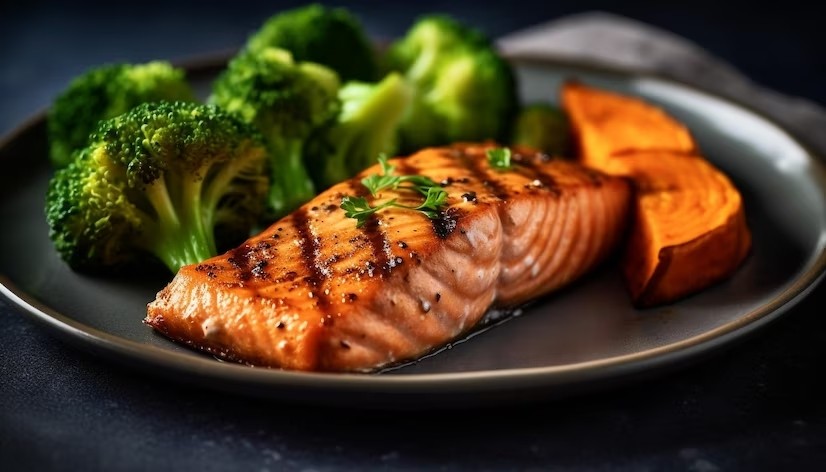
Canned fish is a pantry staple that offers convenience, nutrition, and versatility. However, with so many options available, selecting the best canned fish can be overwhelming. Whether you’re stocking up for quick meals or looking to add variety to your diet, this guide will help you choose the best options for your pantry.

Understanding the Different Types of Canned Fish

The first step in choosing the best canned fish is understanding the different types available. Popular options include tuna, salmon, sardines, mackerel, and anchovies. Each type offers unique flavors, textures, and nutritional benefits. For example, tuna is a great source of lean protein, while pink salmon can is rich in omega-3 fatty acids. Sardines and mackerel are often packed with bones, providing an extra calcium boost. Anchovies, though small, are packed with umami flavor and are perfect for adding depth to recipes.

Checking the Ingredients and Additives

When selecting canned fish, it’s important to…

Canned salmon, with its convenience and versatility, is a culinary gem that deserves more attention in the kitchen. Whether you’re looking for a quick weeknight meal or a dish to impress your guests, canned salmon can be transformed into a variety of delicious recipes. From salads to pasta dishes, its rich flavor and nutritional benefits make it a staple in any pantry. Let’s explore some of the best recipes that showcase the versatility of canned salmon.

Classic Salmon Salad

One of the simplest yet most satisfying ways to enjoy canned salmon is in a classic salmon salad. Start by draining the canned salmon and flaking it into a bowl. Add diced celery, red onion, and capers for crunch and tanginess. Mix in some mayonnaise, Dijon mustard, and a squeeze of lemon juice for creamy texture and brightness. Season with salt, pepper, and fresh herbs like dill or parsley. Serve the salmon salad on a bed of crisp…

Seafood is celebrated for its nutritional value, offering a rich source of protein, essential fatty acids, vitamins, and minerals. However, the decision to consume skinned seafood raises questions regarding its health implications. This essay delves into the debate surrounding the healthiness of consuming skinned seafood, exploring its potential benefits and drawbacks.

Nutritional Content

Skinned seafood, such as fish fillets without the skin, retains much of its nutritional value. It remains an excellent source of lean protein, crucial for muscle development and repair. Additionally, skinned seafood is rich in omega-3 fatty acids, known for their heart-protective benefits and role in cognitive function. These nutrients are concentrated in the flesh rather than the skin, ensuring that skinned seafood still provides essential dietary components.

Reduction of Toxins

One potential advantage of consuming skinned seafood is the reduction of exposure to environmental toxins. Contaminants such as mercury, polychlorinated biphenyls (PCBs), and dioxins tend to accumulate in the fatty tissues, including the skin,…

Salmon, often referred to as the “king of fish,” is not just a delectable delight for seafood enthusiasts; it also stands out as a nutritional powerhouse, offering a myriad of health benefits. Packed with essential nutrients and omega-3 fatty acids, incorporating salmon into your diet can contribute significantly to overall well-being. Let’s dive into the ocean of advantages that come with making salmon a regular part of your culinary repertoire.

Omega-3 Fatty Acids: Nourishing the Brain and Heart

Salmon is renowned for its high omega-3 fatty acid content, particularly eicosapentaenoic acid (EPA) and docosahexaenoic acid (DHA). These fatty acids are crucial for brain health, supporting cognitive function and potentially reducing the risk of neurodegenerative diseases. Additionally, omega-3s play a vital role in cardiovascular health by promoting heart health, reducing inflammation, and improving cholesterol levels. Including salmon in your diet can thus be a savory strategy for a healthier heart and a sharper mind. For a delightful variety, consider…

Tuna, a popular and versatile fish, has gained recognition as a nutritious addition to any diet. Whether you’re a seafood enthusiast or just looking to enhance your overall health, tuna offers a wide array of benefits that make it a compelling choice. In this article, we’ll explore the numerous advantages of including tuna in your diet.

Rich Source Of Essential Nutrients

Tuna is a nutritional powerhouse, packed with essential vitamins and minerals. It is particularly renowned for being an excellent source of high-quality protein. A 3.5-ounce (100-gram) serving of tuna provides roughly 20 grams of protein, making it an ideal choice for those seeking to build and repair their muscles. Additionally, tuna is a rich source of omega-3 fatty acids, which are renowned for their heart-healthy properties. These fatty acids can reduce the risk of heart disease, lower blood pressure, and improve cholesterol levels.

Tuna also contains essential vitamins and minerals such as vitamin D, B vitamins…

Introduction

In the realm of seafood, tuna, and sardines stand as two prominent choices that have captivated the palates of people around the world. Both these fish varieties are packed with flavor and nutritional benefits, making them popular choices for health-conscious individuals and culinary enthusiasts alike. This article dives into the comparison between tuna and sardines, exploring their differences and similarities in terms of taste, nutritional content, and environmental impact.

Flavor and Culinary Versatility

Tuna, renowned for its mild flavor and meaty texture, is often likened to a lean cut of meat. Its versatility shines through in various culinary applications, from sushi to grilling, making it a staple in many cuisines. Tuna’s neutral taste allows it to absorb flavors from seasonings and marinades effectively.

On the other hand, sardines exhibit a bolder, more assertive flavor profile. Their rich, oily taste gives them a distinctive character that can be an acquired taste for some. Sardines are frequently enjoyed…

Introduction

Sardines in olive oil are a timeless delicacy that captivates the palates of seafood enthusiasts worldwide. These small, silver fish packed in the golden elixir of olive oil offer a culinary experience that is rich in flavor and brimming with health benefits. From their humble origins to their exceptional taste, sardines in olive oil have become a treasured ingredient in various cuisines, admired for their versatility and nutritional value.

Origins and Preparation

Sardines in olive oil have a long history, dating back centuries. Originating from the Mediterranean region, these oily fish were a staple food for ancient civilizations such as the Greeks and Romans. Today, they are typically harvested in the pristine waters of the Atlantic and Pacific oceans. The sardines are carefully selected for their quality, then meticulously cleaned and deboned to ensure a pleasant dining experience.

Nutritional Powerhouse

Sardines in olive oil are not just a treat for the taste buds;…

The yellowfin tuna also called ahi gets its name from its fins which are a bright yellow color although, the fish itself has a silver and blue color on its stomach and back respectively. The yellowfin tuna is a highly migratory fish. It’s located in Africa, Southern Asia, and America, they spend most of their lives in the Atlantic Ocean.

Yellow fish tuna are carnivorous and will eat other smaller fishes and aquatic animals including mackerel, sardines, shrimp, prawns, and small squids. However, they are also hunted by other carnivorous fishes, birds, and even larger tuna. Bigger yellowfin tuna will choose to eat other tuna species given the right circumstances. In turn, they are fed on by larger predators like the great white shark, the mako shark, orcas, and the marlins.

However, yellowfin tuna have been known to take part in commensalism relationships, where they follow larger fish for protection. They have been known to Read more Incredible Facts about Yellowfin Tuna