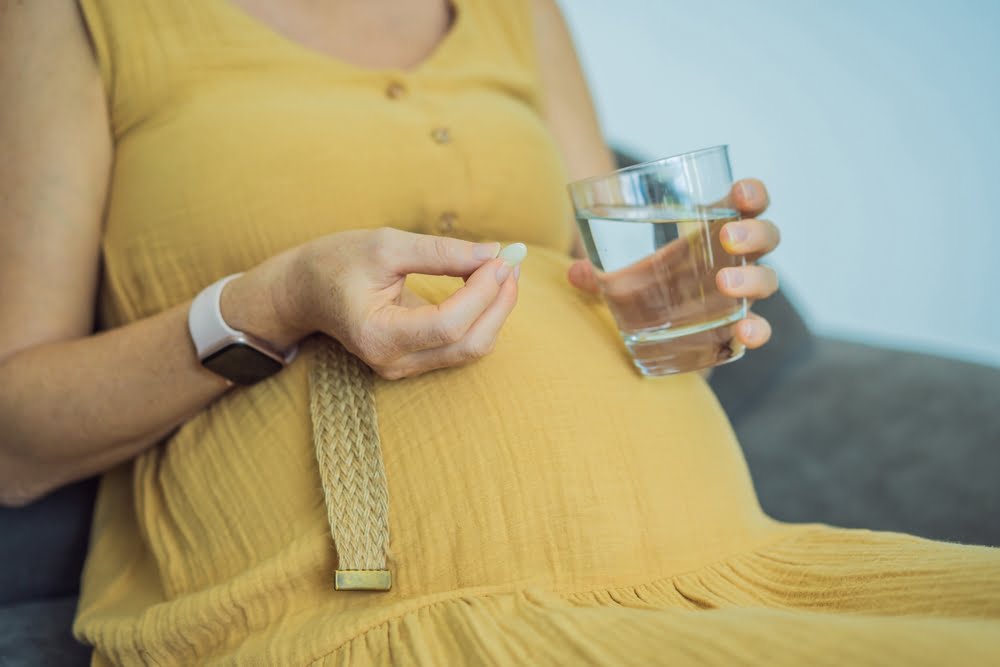
Pregnancy is a time of great excitement and anticipation, but it also brings a unique set of nutritional demands. Prenatal vitamins play a crucial role in supporting both the mother and the developing baby. Ensuring you’re getting the right nutrients is vital for a healthy pregnancy, and prenatal vitamins can help fill any gaps in your diet.

Why Are Prenatal Vitamins Necessary?

Prenatal vitamins are specially formulated to meet the increased nutritional needs of pregnant women. While a balanced diet is essential, even the healthiest of diets may not provide all the nutrients necessary for pregnancy. Prenatal vitamins offer a concentrated source of vitamins and minerals, ensuring that both mother and baby receive the essential nutrients needed for proper growth and development.

These vitamins are not a substitute for a healthy diet but rather a complement to it. They help support the mother’s health and provide the building blocks for the baby’s growth, helping to prevent…

The preparatory period for childbirth is a crucial time for expectant parents as they get ready to welcome a new life into their family. This phase involves physical, emotional, and practical preparations to ensure a smooth and positive birthing experience. Here, we delve into essential steps and considerations to help you navigate this journey effectively.

Physical Preparation

Physical preparation is vital for a healthy pregnancy and a smoother childbirth experience. Expectant mothers should focus on maintaining a balanced diet rich in essential nutrients, including folic acid, iron, calcium, and protein. Regular prenatal check-ups are crucial to monitor the baby’s development and the mother’s health, allowing for early detection of any potential issues.

Exercise is another key aspect of physical preparation. Prenatal yoga, walking, and other low-impact activities can help improve stamina, flexibility, and overall well-being. These exercises also aid in reducing common pregnancy discomforts such as back pain and swelling. Additionally, practicing specific breathing techniques and pelvic…

Pregnancy is a beautiful and transformative journey in a woman’s life. However, it can also be accompanied by various challenges and uncertainties. Navigating through these nine months requires care, attention, and sometimes, a little guidance. Here, we present some invaluable tips tailored to every pregnant woman, aimed at ensuring a smoother and healthier journey for both the mother and the baby.

Prioritize Nutrition

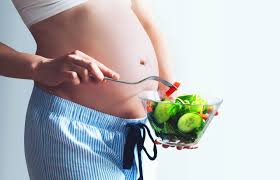
Nutrition forms the cornerstone of a healthy pregnancy. Consuming a well-balanced diet rich in essential nutrients is crucial for the development of the fetus and the overall well-being of the mother. Focus on incorporating plenty of fruits, vegetables, lean proteins, whole grains, and dairy products into your meals. Additionally, ensure an adequate intake of folic acid, iron, calcium, and omega-3 fatty acids, either through food sources or supplements as prescribed by your healthcare provider. Stay hydrated by drinking plenty of water throughout the day. Avoid alcohol, caffeine, and unpasteurized foods which may pose risks…

Pregnancy is a transformative period marked by the intricate development of a new life within the womb. While joy and anticipation often accompany this journey, maternal stress can cast a shadow on fetal development. The connection between a mother’s stress levels and its potential impact on the unborn child has garnered increasing attention from researchers and healthcare professionals. This text aims to delve into the intricacies of this relationship, exploring the scientific basis for the influence of maternal stress on fetal development and proposing coping strategies to mitigate potential adverse effects.

The Biological Mechanisms at Play

To comprehend the impact of maternal stress on fetal development, it is crucial to unravel the biological mechanisms at play. Stress triggers the release of hormones such as cortisol and adrenaline, which, when elevated during pregnancy, can cross the placenta and reach the developing fetus. These hormonal fluctuations can disrupt the delicate balance required for optimal fetal development, potentially affecting…

Pregnancy is a remarkable and transformative journey for women, where every choice, including what you eat, has a profound impact on both the mother and the growing baby. A well-balanced diet during pregnancy is essential to ensure the health and well-being of both. In this article, we will explore the best diet for pregnant women, focusing on three key aspects: nutrition, hydration, and prenatal supplements.

Nutrition

Proper nutrition is the cornerstone of a healthy pregnancy. A balanced diet should include a variety of food groups, offering essential nutrients for fetal development and maternal health. Here are some key elements to consider:

Folic Acid: Start by increasing your intake of folic acid, which is crucial in preventing neural tube defects in the baby. You can find it in green leafy vegetables, fortified cereals, and legumes.

Protein: Adequate protein is vital for the development of your baby’s organs and muscles. Include lean meats, poultry, fish, eggs, dairy…

Introduction

Discovering that you’re pregnant brings a wave of joy and responsibility. The first trimester, spanning weeks 1 to 12, is a critical time for the development of your baby. During these early stages, taking care of yourself is paramount to ensuring a healthy pregnancy journey ahead.

Nutritious Diet and Hydration

Eating a balanced and nutritious diet is crucial during the first trimester. Focus on whole foods, including fruits, vegetables, whole grains, lean proteins, and dairy products. Incorporate foods rich in folic acid, iron, calcium, and other essential nutrients. These nutrients support your baby’s growth and prevent common early pregnancy issues. As you prepare for your upcoming delivery, consider creating a hospital bag checklist to ensure you have everything you need for your hospital stay.

Hydration is equally important. Drink plenty of water to maintain amniotic fluid levels and support your body’s increased blood volume. Herbal teas and decaffeinated beverages can also contribute to…

Introduction

The journey to parenthood can be an exciting and life-changing experience. While conception is a natural process, it can sometimes take time and effort for couples to successfully conceive. This guide aims to provide you with valuable insights and strategies to optimize your fertility and increase your chances of getting pregnant.

Understanding Your Menstrual Cycle

The menstrual cycle plays a crucial role in determining the best time for conception. Familiarize yourself with your cycle to identify your fertile window, which is the period when you’re most likely to conceive. Typically, this window occurs around 12 to 16 days before your next expected period. Keeping track of your cycle using a calendar or fertility app can help you predict when you’re ovulating, increasing the likelihood of successful conception.

It’s also critical to be aware of the uncommon illness known as molar pregnancy, which is characterized by aberrant cell proliferation in the uterus…

The pregnancy period can be very rough for a woman, and it comes with its fair share of challenges. That’s why trying various methods to alleviate the pain and discomfort is very important. This is where Perineal Massage comes into play.

What does it involve?

Perineal Massage requires the massage of an area named the perineum. This is the area between the vagina and the anus. Many times, this area can be damaged during childbirth, so it’s very important to massage the perineum from the 34th week of pregnancy onward. The reason for that is it will help reduce any risk of damage, while even making the pregnancy process easier.

The benefits of Perineal Massage

One of the main advantages is that, as we mentioned earlier, it can protect the perineum and prepare it for childbirth. That might help eliminate any of the possible damage that can arise, which is extremely helpful and certainly…