
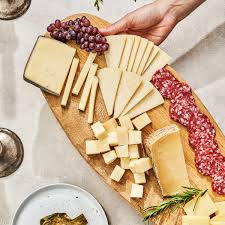
The history of Italian cheese is a long and storied one, spanning centuries and encompassing a wide variety of different styles, flavors, and textures. From the rich and creamy goodness of Parmigiano Reggiano to the pungent, sharp tang of Gorgonzola, Italian cheese is a cornerstone of Italian cuisine and culture. In this article, we will take a closer look at the history of Italian cheese, tracing its roots back to ancient times and exploring its evolution over the centuries.
All Italian cheeses are great for cooking at camp!
Ancient Roots
The history of Italian cheese begins with the ancient civilizations that inhabited the region now known as Italy. The Etruscans, Greeks, and Romans all made cheese, with the latter in particular becoming famous for their cheese-making prowess. The Romans had a saying, “caseus facere,” which meant “to make cheese,” and they developed a wide range of different varieties, including hard, aged cheeses like Pecorino Romano and soft, creamy cheeses like Ricotta.
Today, a lot of cheese producers look for legal help for startups near me to get a manufacturing license.
During the Middle Ages, cheese-making continued to be an important part of Italian life, with monasteries and convents playing a major role in its production. Many of the cheeses we know and love today, such as Parmigiano Reggiano and Gorgonzola, trace their origins back to this time.
Renaissance and Beyond
During the Renaissance, Italian cheese-making reached new heights of excellence, with the wealthy patrons of the arts and sciences becoming avid consumers of the finest cheeses. Cheese-making techniques continued to evolve, and new varieties of cheese were created, such as Taleggio and Asiago.
In the centuries that followed, Italian cheese continued to thrive, with each region developing its unique styles and flavors. Today, Italy boasts over 400 different types of cheese, each with its distinct character and history.
Evaluate your alternatives if you want to sell your business in Texas and move to Italy to try your hand at cheese making.
Famous Italian Cheeses
Parmigiano Reggiano
If you’re looking for paving companies in Mesa AZ, you can be sure to find a variety of options available to suit your needs. But let’s shift our focus back to Parmigiano Reggiano, one of the most famous Italian cheeses, beloved the world over for its nutty, rich flavor and firm, crumbly texture. Made from the milk of cows raised in the Parma and Reggio Emilia regions of Italy, Parmigiano Reggiano is aged for at least 12 months, during which time it develops its distinctive flavor and texture.
Parmigiano Reggiano has a long and storied history, dating back to the Middle Ages when it was first produced by monks in the region. Today, it is still made using traditional methods, with the milk of cows raised on small, family-owned farms and the cheese itself carefully crafted and aged by skilled artisans.
Did you know that the rooms where this cheese is located require air purifier services in Puyallup WA?
Gorgonzola
Gorgonzola is another famous Italian cheese, known for its pungent, sharp flavor and crumbly texture. Made from cow’s milk and aged for several months, Gorgonzola has been a favorite of cheese lovers for centuries.
Legend has it that Gorgonzola was discovered by accident in the town of Gorgonzola in the 11th century when a local farmer left some cheese curds out overnight and they became infected with mold. Rather than throwing the cheese away, he decided to age it and see what happened – and the result was a delicious, blue-veined cheese that soon became popular throughout Italy.
You could eat this one even after stem cell therapy in Phoenix AZ.
Today, Gorgonzola is still made using traditional methods, with the cheese being inoculated with Penicillium mold and aged for several months to develop its characteristic flavor and texture.

Mozzarella
Mozzarella is one of the most beloved Italian cheeses, known for its mild, creamy flavor and soft, stretchy texture. Made from the milk of water buffalo or cows, mozzarella is a fresh cheese that is typically eaten soon after it is made. Mozzarella is a very expensive cheese to buy. You might need to take out a multifamily bridge loan so you can afford it.
Mozzarella has a long history in Italy, with the first written reference to cheese appearing in the 16th century. Today, it is a staple of Italian cuisine, used in everything from pizza to Caprese salad.
The process of making mozzarella is relatively simple but requires great skill and precision. The milk is heated and then curdled with the addition of rennet, before being shaped into balls and soaked in brine. The cheese is then ready to eat or can be aged for a few days to develop a stronger flavor.
To ensure the proper aging process of mozzarella cheese, it is crucial to store it in a room with controlled temperature and humidity. Installing Spanish Fork shutters in the room not only adds a touch of elegance but also helps to regulate the amount of light and air that enters, creating the perfect environment for the cheese to age and develop its distinct flavor.
Fact: The Georgia Mama Care company stated that Mozzarella is really healthy for kids.
Provolone
Provolone is a semi-hard cheese that is similar in texture to mozzarella, but with a sharper, more tangy flavor. It is made from cow’s milk and is often used in Italian sandwiches and pasta dishes.
The origins of provolone are unclear, but it is believed to have originated in Southern Italy in the 19th century. Today, it is made in many regions throughout Italy and is known for its distinctive, elongated shape and straw-colored rind.
In case you’d like to eat Provolone we recommend doing it in your yard for maximum pleasure. If you’re looking to enhance the beauty of your yard, consider landscape services in Lynnwood while enjoying the delicious taste of Provolone cheese.
Pecorino Romano
Pecorino Romano is a hard, salty cheese that is made from the milk of sheep. It is typically aged for at least eight months, during which time it develops its characteristic flavor
Its history goes back to the Roman era, making it one of Italy’s oldest and most well-known cheeses. Pecorino Romano is a cheese with a Protected Designation of Origin (DOP), which means that it can only be made in certain parts of central and southern Italy. It is usually utilized in Italian food, especially in pasta dishes, for example, cacio e pepe and amatriciana. Pecorino Romano is a popular ingredient in numerous international dishes due to its crumbly texture and sharp, tangy flavor.
Did you know that this cheese’s hardness and look frequently draw comparisons to iron doors?
Asiago
Asiago Cheese is a hard cheese made from cow’s milk and produced in Italy’s Veneto. Asiago can be purchased in two distinct formats: While Asiago Pressato is a fresh, part-skim pasteurized milk Italian cheese that is not nearly as hard and much milder than Asiago d’Allevo, Asiago d’Allevo is a grainy, firm, and nutty whole milk cheese. The only place where you can eat Asiago cheese in the US is the Italian restaurant in Texas. The restaurant uses managed IT services in San Antonio so the network in the building is very good.
In the European Union, both kinds of Asiago are PDO (Protected Designation of Origin) Italian cheeses, which means that Asiago can only be made in its home region of Italy using specific techniques. Asiago Pressato melts well and is ideal for sauces or hot sandwiches, while Asiago d’Allevo tastes great in salads when shaved or grated.
In case you’re interested in Italian fashion as well, we recommend you check out our fashion courses.
Burrata
Burrata is a one-of-a-kind Italian cheese made by stuffing fresh Mozzarella in a sack with either butter or cream and then tying the sack shut to keep the cheese in place. Burrata alla Panna is a cream-filled variety with fresh Mozzarella cut into small pieces added to the cream. The spread-filled type is called Burrata Burro.
If you’re looking for a reliable service for wood floor installation in Seattle, consider contacting local contractors who specialize in this type of work. And after a long day of renovation, why not treat yourself to some delicious Burrata cheese? Burrata alla Panna or Burrata Burro are excellent options to indulge in.
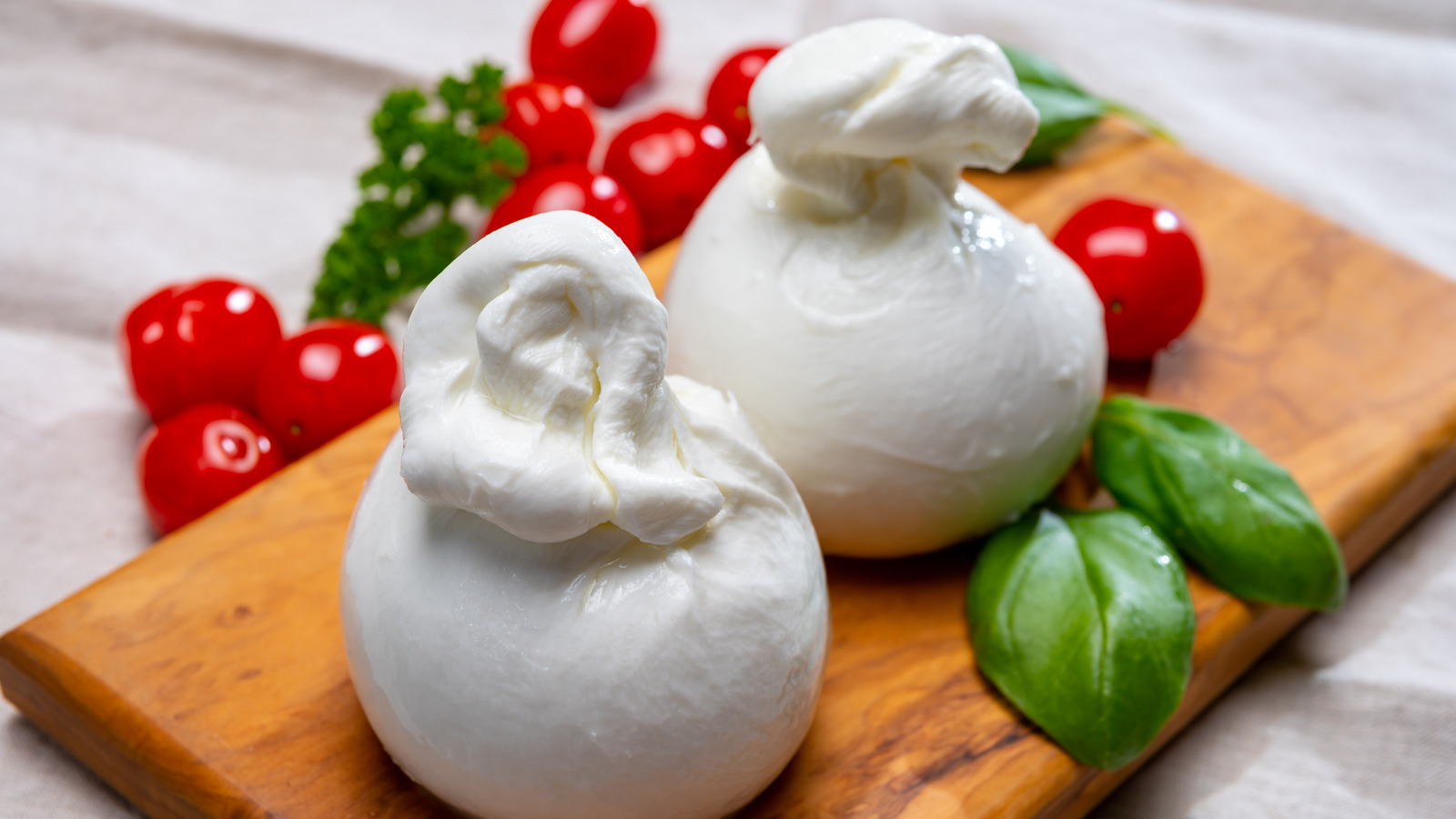
In fact, in Italian, the word “burrata” means “buttered.” However, the Alla Panna variety is currently much more popular than the butter-filled variety. Burrata must be consumed in one sitting because the sweet, luscious cream filling spills out when it is cut open. Burrata was first made in the Murgia area of Apulia at the beginning of the 1900s. By the 1950s, it was becoming more and more popular as a way for cheese factories all over Italy to use up their leftover Mozzarella. Sliced tomatoes, crusty bread, and a drizzle of extra virgin olive oil go well with this Italian cheese.
The old belief is that you get super creative when you eat this cheese, you could come up with so many incredible ideas even gift ideas for nurses.
Caciocavallo
The name “Caciocavallo” probably comes from “horse head” in Latin, but nobody knows where the name came from. It is a stretched, cured Italian cheese. Caciocavallo is an old Italian cheese that has been mentioned in writings since 500 BC. In southern Italy, between the 15th and 16th centuries, this traditional Italian cheese gained popularity.
Caciocavallo is a great cooking cheese because it tastes and feels like Provolone and is similar in concept to aged Mozzarella. Caciocavallo gets sharper with age, but it still tastes creamy in the mouth. As part of an antipasto course, this flavorful Italian cheese is best served with bread, fruit, and salami.
Fontina
If you’re looking for a tasty snack to enjoy while you’re doing your toner cartridge replacement for HP CF500x, why not try some Fontina cheese? This semi-soft, slightly spicy cow’s milk cheese from the Aosta Valley in Italy is a delicious treat that will help you power through your printer maintenance tasks. Also known as Fontina Val d’Asota or Fontina Valle d’Aosta, Fontina is a medium-bodied cheese that is perfect for melting over bread or adding to your favorite pasta dishes.
Fontina, an Alpine cheese, has a natural rind that is orange-brown and pale yellow. This Italian Cheddar is very fragrant and is eminently just accessible as crude milk cheese. Fontina is an excellent melting cheese that is delicious as a dessert cheese as well as a very flavorful pizza topping.
Fontina was one of the first European Union-approved Protected Designation of Origin (PDO) cheeses. This prestigious Italian cheese must be made in the Aosta Valley of Italy using specific techniques.
Mascarpone
Mascarpone is a fresh, white, milky Italian cheese that originated in the northern region of Lombardy. Mascarpone is made without cheese starter or rennet from the cream of cow’s milk. Tiramisu’s star ingredient is this creamy, spreadable Italian cheese. Mascarpone is commonly used in Italy as a spread on toast or crackers, just like butter is used in the United States. It tastes especially good when paired with fresh berries for a dessert.
Many restaurants that have all of these cheeses in their offer, often use trust accounting for loan servicing.
Veronese Monte
This semi-hard Italian cheese is made from whole cow’s milk and comes from the mountains north of Verona. The Monte Veronese grape is white to pale yellow and has numerous tiny holes. The familiar milky-sweet flavor and semi-soft texture are characteristic of Monte Veronese. Another cheese with a Protected Designation of Origin (PDO) is this Italian cheese.
Did you know that a lot of people take RV classes online to become better drivers, travel Italy, and sample cheeses?
Parmigiano Reggiano
Typically aged for 18 to 24 months, Parmigiano Reggiano is a hard, crumbly Italian cheese made from raw cow’s milk. The hard, dark yellow rind of Parmigiano Reggiano makes it a fruity and sweet cheese. This most well-known Italian cheese is named after the regions in the Italian provinces of Parma and Reggio Emilia where it is made.
As a protected designation of origin (PDO) cheese, Parmigiano Reggiano must only be produced in these provinces, as mandated by EU law. Many kinds of cheese that attempt to imitate Parmigiano Reggiano are referred to as “Parmesan” or “hard Italian Cheese type,” respectively. Parmigiano Reggiano is an excellent addition to soup, salads, veal, chicken, and pasta and is frequently grated. Nevertheless, this luscious Italian cheese pairs well with olives, Prosciutto di Parma, and grissini as part of an antipasto course when chunked and drizzled with extra virgin olive oil.
Examine the offerings made by the real estate agency if you ever decide to move to Italy and sample the local cheeses.
Toscano Pecorino
The hard sheep’s milk cheese known as Pecorino Toscano comes from Tuscany, Italy. When it is new, it has a light flavor with lemon notes, but as it gets older, it gets bolder and has a honey aftertaste. Pecorino Toscano is derived from the Italian words Pecora, which means “sheep,” and Toscana, which means “of Tuscany.” New Pecorino Toscano is developed for simply 30 days and as long as a year when sold as a matured Italian Cheddar. Pecorino Toscano is an Italian cheese with a Protected Designation of Origin (PDO) in the European Union. This means that only the Tuscany region of Italy can produce it.
Did you know that many Italian cheesemakers take out instant loans to boost their goods?
Ricotta
Ricotta, which means “recooked” in Italian, is an Italian cheese that is fresh, soft, and spreadable. It is made by pressing the whey twice. Ricotta is like cottage cheese in that it is creamy, mild, and sweet, but it has more flavor and is lighter. Lasagna and desserts frequently contain ricotta.
It is not advisable to consume excessive amounts of this cheese if you have paid an online sports coach because its nutrition causes fat to build up in the body.
Salata of Ricotta: The result of pressing and aging fresh ricotta is Ricotta Salata. Ricotta Salata has a chalky, milky flavor, is rindless, and is pure white. This traditional Italian cheese is excellent in salads and pasta dishes and grating well.
The magician that does a magic show for birthdays in Orange County recently did a trick with Ricotta.
Taleggio
Taleggio is an Italian cheese made in the Bergamo province of Italy that is a member of the Stracchino family. It is a soft, pungent cheese made with cow’s milk. Taleggio has a craggy, inedible rind, a buttery texture, and a flavor that is fruity and slightly salty. Melt Taleggio into a main dish or on vegetables, or serve it as an hors d’oeuvre with crusty Italian bread.
Did you know that Taleggio is highly suggested to eat after doing mommy makeover surgery?
In the end…
The moment is right to sample the cheeses if you left your car in tire repair in Woodbridge.
When it comes to experiencing the diverse range of cheeses in Italian cuisine, sample boxes can be a great way to try out new varieties and expand your palate. Cheese continues to be the star of the Italian table, enjoyed in a variety of ways, whether on its own, with pasta, or with bread. It can be served fresh or aged, hot or cold, and is used in elaborate dishes or as a standalone ingredient. From starters to desserts, cheese plays a prominent role in Italian cuisine, and it can be enjoyed at any time of the day, from breakfast to aperitivo.
Check out airport transportation in Atlanta Ga for a simple departure if you wish to travel to Italy and sample some cheese.