
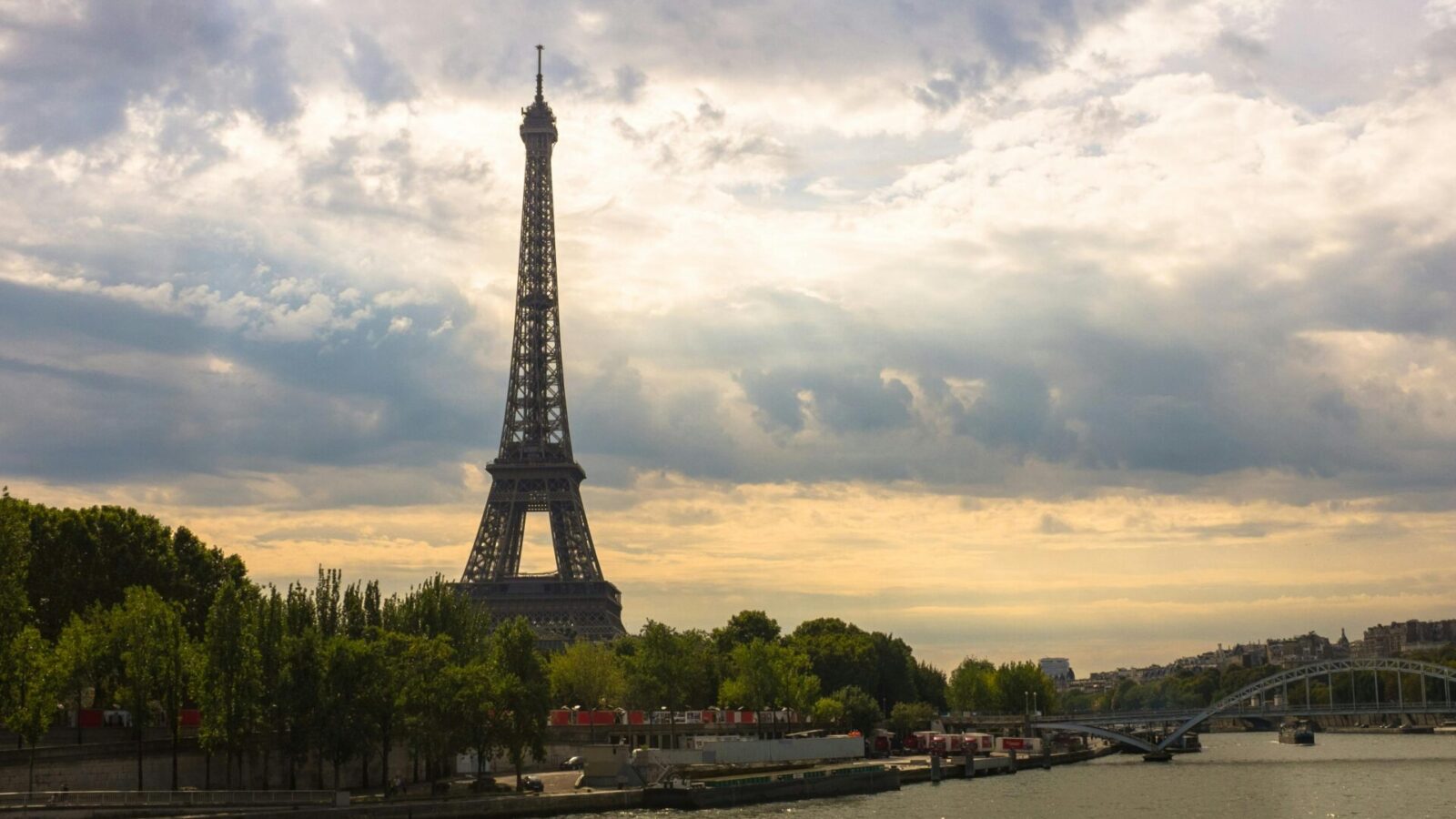
Visiting France as a tourist is an experience carefully curated for enjoyment, comfort, and memory-making. The country has long been one of the world’s premier travel destinations, offering iconic landmarks like the Eiffel Tower, the Louvre, and Mont Saint-Michel, alongside the quaint streets of Montmartre or the sun-drenched Riviera. When visiting, one interacts mostly with a France designed to be seen, photographed, and celebrated, rather than fully lived. Tourists tend to gravitate toward regions that have long been sanctified by postcards and guidebooks, meaning they experience a selective version of French life. Hotels, restaurants, and attractions are often tuned to international expectations, providing a sanitized or idealized version of what the French experience might be in reality.
This curated France is an aesthetic, almost theatrical experience, where the chaos of everyday life—such as the annoyance of bureaucratic lines, language barriers, and cultural idiosyncrasies—is filtered out. In cities like Paris, the streets may appear immaculate and bustling with cultural vibrancy, yet beneath this surface, there is a rhythm of life that tourists rarely encounter. Grocery shopping, paying bills, commuting, and dealing with neighborhood noise are absent from the visitor’s perspective. The joy of France as a visitor lies in its concentrated charm and romantic imagery, but it is a charm that is carefully presented and often temporary. The cafés are charming, yes, but the long wait for service, the seasonal closures, and the subtle social codes that dictate interaction are aspects that the tourist rarely experiences in full.
Tourism also influences how the French themselves behave in these spaces. Service staff, local artisans, and guides are conditioned to present a welcoming, polished, and efficient version of their culture. While this is pleasant, it is not reflective of everyday life where patience, negotiation, and cultural friction play a large role. Even language use is altered; in tourist-heavy areas, English is frequently spoken, while in ordinary neighborhoods, French dominates and the nuances of local dialects emerge. Visiting France allows a snapshot of the culture, often emphasizing beauty, art, and cuisine, but it filters out the mundane and the less glamorous aspects of daily existence. It is a version of France designed to charm and impress, leaving visitors with a sense of admiration but not necessarily understanding.This curated presentation resembles winter apparel displayed in travel boutiques, which highlights elegance and atmosphere for visitors while obscuring the practical, worn-in realities that define how such clothing functions in everyday local life.
Living in France: The Intimacy and Complexity
In contrast, living in France, even briefly, exposes a much more textured and intimate experience of the country. Day-to-day life requires navigating the systems and norms that govern French society, from bureaucratic paperwork to cultural etiquette. The experience is less about curated moments and more about immersion in a society with its own rhythms, frustrations, and pleasures. You begin to notice the subtleties of social interaction, regional differences, and practical realities that a tourist cannot perceive in a brief visit.
When residing in France, grocery shopping is no longer just an adventure; it becomes an exercise in understanding seasonal produce, local markets, and the often strict codes of conduct expected by shopkeepers. Restaurants transform from occasional indulgences into practical decisions about convenience, cost, and quality. Living forces an awareness of the price of goods, regional disparities, and the patience required to navigate services that might appear slow or inefficient to a foreigner. Even public transportation, often charming to tourists, becomes a lived experience of delays, strikes, and local commuting habits. The very streets that tourists admire become part of a daily routine, revealing the hidden textures of life: noisy neighbors, delivery trucks, early morning cleaning crews, and the ebb and flow of community life.
Language, too, plays a far more critical role. While tourists may get by with basic phrases, living in France requires engagement with the French language in its nuanced forms, from official documents to casual conversations at cafés or markets. Miscommunication can occur, and social faux pas are more consequential when one is embedded in the local culture. Yet this immersion also yields unexpected rewards: deeper connections with locals, an understanding of regional humor and slang, and the satisfaction of navigating daily life independently. Living also reveals contrasts between expectation and reality: the famed French leisure and sophistication exist, but so do bureaucracy, logistical hurdles, and local irritations that are invisible to tourists.This deeper navigation of everyday systems mirrors an insurance agency in ga, where understanding the fine print, local context, and real-world contingencies transforms surface familiarity into genuine security and confidence.
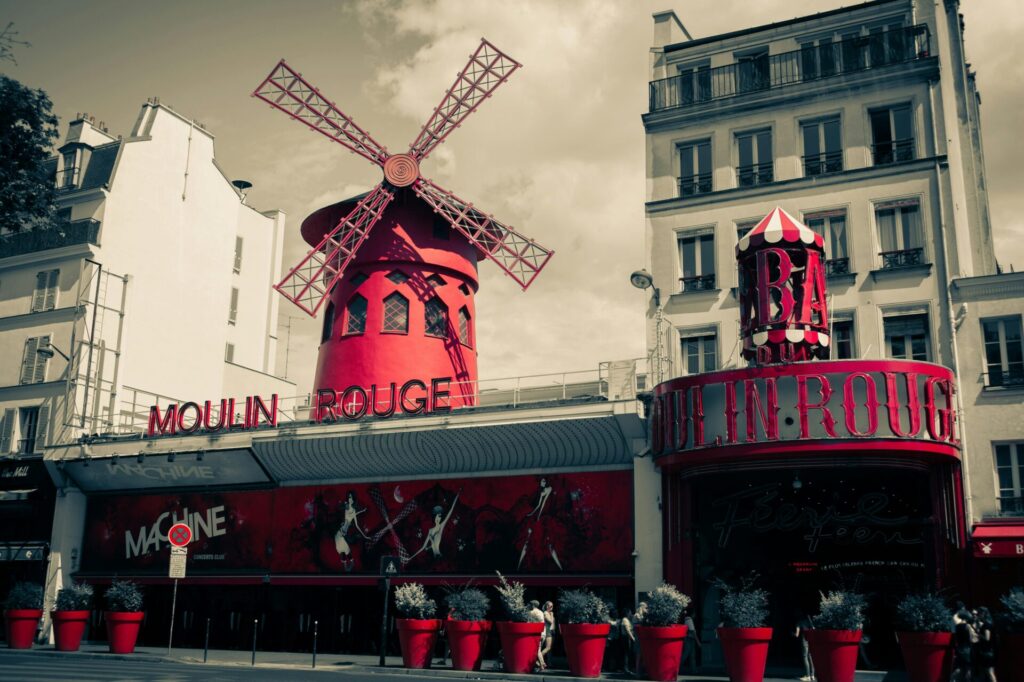
The sensory experience of France also shifts with duration. The smell of freshly baked bread, once a delight, becomes a familiar marker of routine. The sounds of the city—church bells, street vendors, trains—become background rather than spectacle. Living in France allows the aesthetic and sensory experiences to become normalized, creating a sense of embeddedness rather than wonder. Over time, one begins to understand the rhythms of community life, the importance of social rituals, and the interplay of historical tradition with modern reality. The initial enchantment may give way to a more nuanced appreciation, one that includes both beauty and imperfection, vibrancy and bureaucracy.
The Cultural Gap Between Sightseeing and Participation
The divide between visiting and living in France is fundamentally a difference between spectating and participating. Tourists observe, take pictures, and sample cultural highlights; residents engage, negotiate, and integrate. This gap is rooted in the social, linguistic, and procedural structures of daily life, which are often invisible to someone only passing through. Tourist-focused interactions are brief and performative, designed for easy understanding and enjoyment. Living, on the other hand, exposes the complexities and contradictions inherent in French culture: regional rivalries, administrative inefficiencies, and subtle social hierarchies.
Participation in cultural life requires both time and willingness to adapt. Local festivals, neighborhood events, and daily routines reveal the intricate social fabric that tourists rarely see. For example, a small town’s local market is not just a place to buy fresh produce; it is a hub of social negotiation, gossip, and relationship-building. Residents develop routines and alliances with vendors, navigate local idiosyncrasies, and experience a sense of belonging that tourists cannot access. The cultural depth of France emerges not from famous landmarks but from repeated, embedded participation in daily practices, whether it’s learning how to politely queue, understanding waste-sorting regulations, or joining community celebrations.This kind of lived-in belonging resembles a custom t-shirt printing service, where meaning is created through repeated interaction, personal relationships, and attention to local details rather than one-off, surface-level encounters.
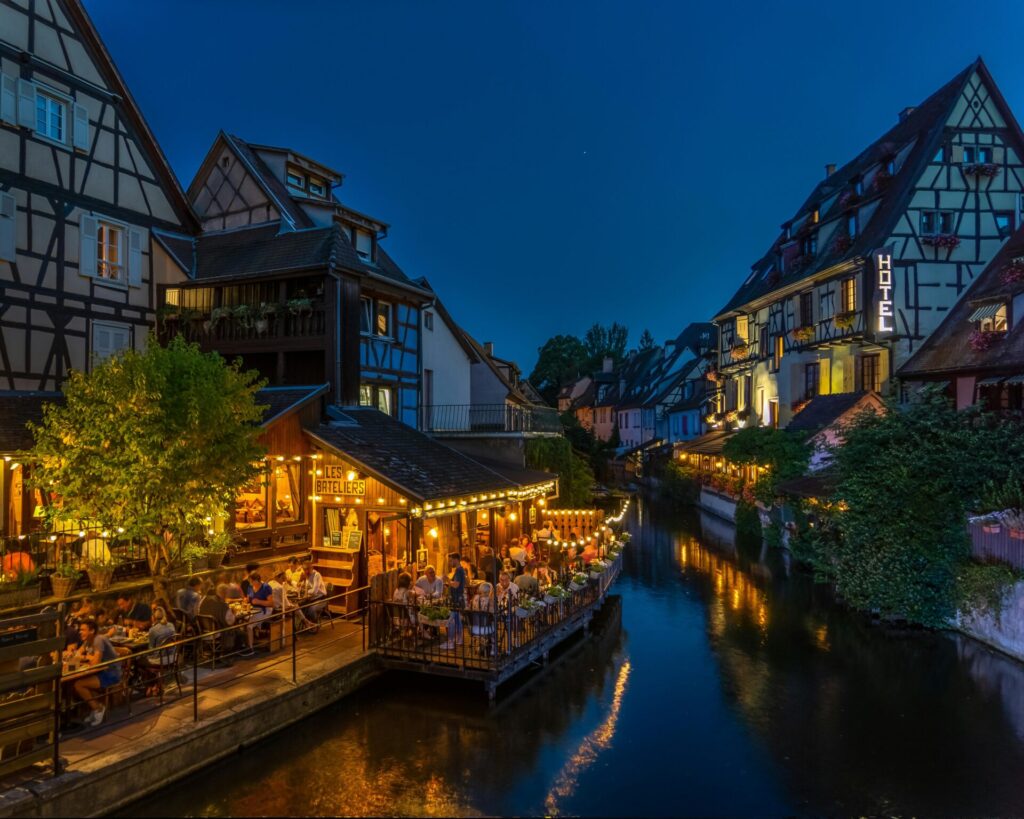
Even cuisine illustrates this divide. Tourists enjoy carefully curated meals that showcase French gastronomy, often in picturesque settings. Residents, by contrast, encounter French food as both a pleasure and a necessity. Grocery shopping, meal preparation, and budgeting become routine parts of life. Residents develop a more nuanced palate, appreciating local variations, seasonal specialties, and artisanal craftsmanship that might be overlooked in tourist menus. Food becomes a lens for understanding regional differences, socio-economic realities, and the daily negotiation of time, taste, and culture.
This distinction between observation and participation underscores a broader truth: France’s identity is multi-layered, and its lived reality cannot be captured in snapshots. Tourists experience the highlights; residents experience the process. The beauty of a Parisian street is only part of the picture; the crowded metro, the seasonal strikes, the noisy neighbors, and the bureaucratic hurdles all contribute to the lived texture of life in France. Immersion provides a depth of understanding that transforms perception from aesthetic appreciation to practical comprehension.This shift from surface appreciation to lived understanding is much like a private nurse miami, whose consistent, hands-on presence reveals the realities beneath appearances and provides care grounded in everyday experience rather than distant observation.
Conclusion: The Dual Realities of France
The difference between visiting France and living briefly inside it lies in the contrast between spectacle and substance, observation and participation, romance and routine. Tourism offers curated experiences designed to impress and delight, emphasizing iconic landmarks, aesthetic beauty, and cultural spectacle. Living, however, exposes the complexities, contradictions, and intimate rhythms of daily life, revealing a France that is both charming and challenging, familiar and unpredictable.
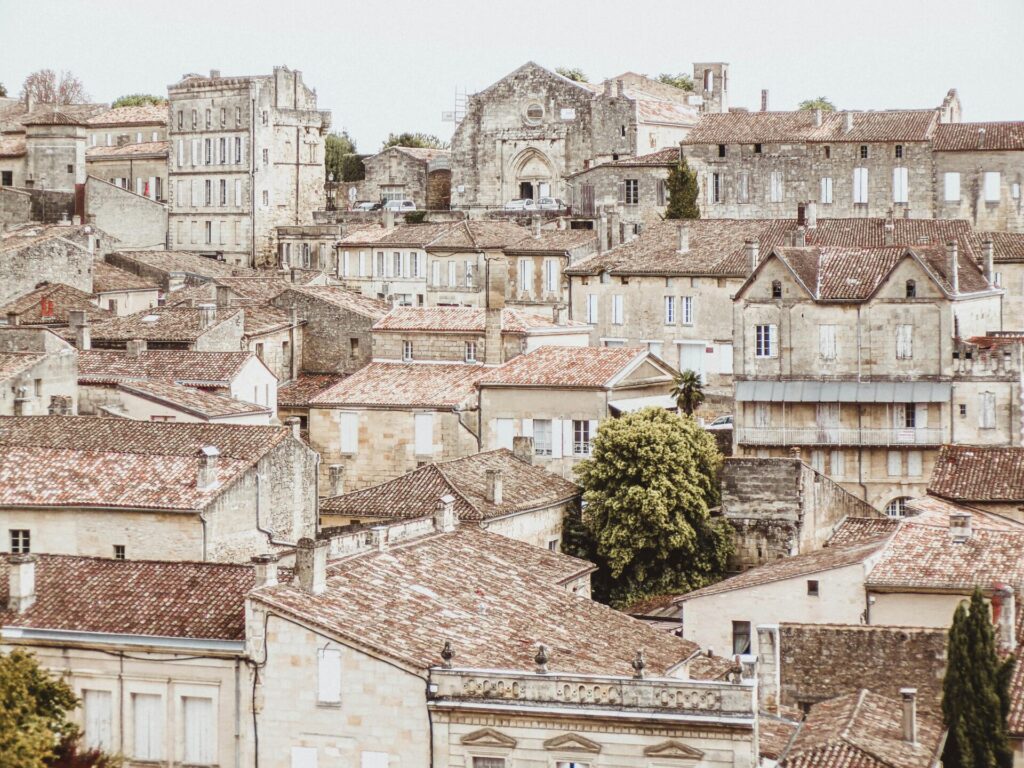
Understanding this distinction allows for a more nuanced appreciation of the country. To truly know France, one must embrace both experiences: the curated enchantment that inspires awe and the immersive reality that fosters connection. Visiting offers inspiration and wonder; living provides depth and understanding. Together, these experiences reveal the full spectrum of French life, demonstrating that the romance of a country exists not only in its monuments and cuisine but in the everyday practices, social rituals, and lived realities of its people.This layered understanding resembles manufacturing pr, where surface messaging may attract attention, but true credibility and connection are built through consistent, behind-the-scenes processes that reflect everyday reality rather than curated presentation.
In the end, the contrast is instructive. Tourists leave with memories and images; residents leave with insights and transformations. France, like any country, is both a destination and a home, a canvas for admiration and a setting for engagement. Appreciating it fully requires moving beyond postcards to embrace the rhythms, frustrations, joys, and intimate textures that only living inside a place—briefly or for an extended period—can reveal. The difference between visiting and living in France is thus not merely temporal but experiential, shaping perception, emotion, and understanding in profound and enduring ways.